The Jamaican Diet and Cancer Risk | Dr. Andre Williams, Teshuva Wellness
The Jamaican Diet and Cancer Risk, The way forward (specific to Caribbean dietary patterns, not generic Western nutrition advice)
By Dr. Andre Williams, Integrative Oncologist & Founder, Teshuva Wellness, Montego Bay, Jamaica
Member, American Society of Clinical Oncology (ASCO) · Certified Gerson Therapy® Practitioner · Certified Gonzalez Protocol® Practitioner
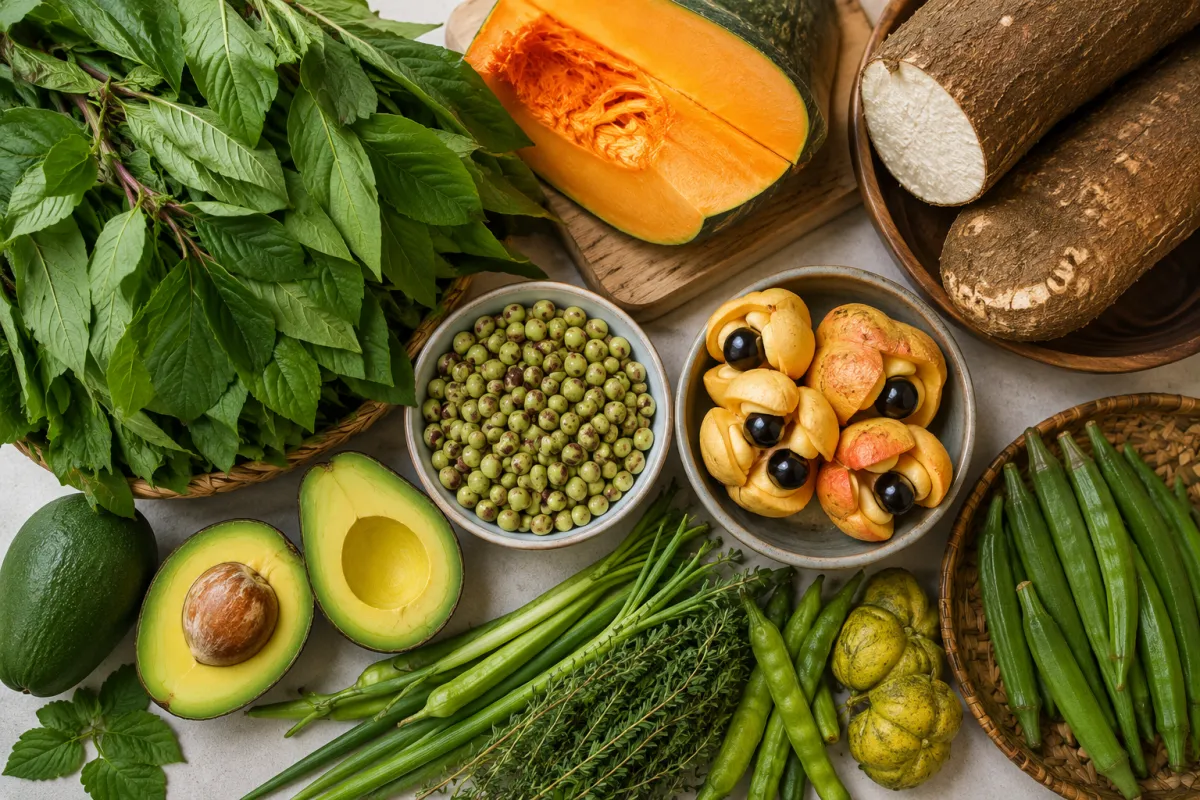
We live on an island with an extraordinary agricultural heritage. Foods such as yam, sweet potato, dasheen, breadfruit, green banana, plantain, pumpkin, callaloo, peas and beans have sustained Jamaicans for generations. Around us also grows an impressive variety of plants traditionally used for food and medicine.
Yet at the same time, we are witnessing a steady transition in the Jamaican diet. The average supermarket trolley increasingly contains foods that our grandparents would barely recognize: sweetened drinks, packaged snacks, heavily processed meats, refined carbohydrates and imported ultra-processed foods.
That transition matters.
Cancer does not have a single dietary cause, and no individual food can guarantee that we either develop or avoid cancer.
However, diet, body weight, physical activity and alcohol consumption are among the modifiable factors that influence the risk of several cancers.
International cancer-prevention recommendations consistently favour dietary patterns rich in vegetables, fruits, beans and other fibre-containing plant foods while limiting processed meat, sugar-sweetened beverages and highly processed foods.
The important question for Jamaica, therefore, is not simply, “What is the healthiest Western diet?”
It is: What should a cancer-conscious Jamaican diet look like?
First, We Need to Deal With Some Myths
Ackee
Ackee is sometimes viewed suspiciously because of its relatively high fat content and its well-known potential toxicity when eaten unripe.
It has also been unfairly (and inaccurately) associated with an increased risk of prostate cancer. This has long been disproven and we have (hopefully) moved on to realise that ackee is rich in helpful fats.
Now that we have dispelled that myth, the question is no longer: “is ackee bad for us?”
The more useful question is: “what accompanies ackee in our plates?”
Ackee served with vegetables, ground provisions and a sensible portion of saltfish is quite different nutritionally from ackee surrounded by large portions of fried dumpling, festival, processed meat and sweetened beverages.
We have to learn to judge the meal, not simply demonize one traditional ingredient.
Coconut Oil
Coconut oil presents another interesting Jamaican dilemma.
I have lived long enough to notice the alternating pattern of strong research; first in favour of, then against coconut oil. Yet for decades, Jamaicans have used this liquid gold to help cook healthy foods, to nourish the skin and hair, and interestingly, to help restore malnourished children to health.
A spoonful of coconut oil in an otherwise plant-rich, minimally processed diet is one thing. A diet dominated by fried foods, processed meats, refined starches and excess calories is another.
Sugar and Cancer
This is perhaps one of the most persistent controversies I encounter.
Yes, cancer cells use glucose. So do our brain cells, muscle cells and virtually every other tissue in the body.
There is no clinical evidence that simply eliminating dietary sugar starves an established cancer or causes it to disappear. The US National Cancer Institute specifically identifies this as a cancer misconception.
That does not mean that excessive sugar consumption is harmless.
The problem is more indirect and more important at a population level. Sugar-sweetened drinks and calorie-dense processed foods can contribute to excess weight, and excess body fat is convincingly associated with increased risk of multiple cancers.
The missing discussion in this sugar debate is: “what part of the sugar is being used?”
You will recall that in sugar production, refined sugar is produced on one end, but vitamin-rich and nutrient-dense molasses and “wet sugar” are also “by-products”.
As Jamaicans, we have largely discarded these “other” sugar products, to our own detriment.
We must strengthen the public health initiative to limit the refined sugar in the beverages we drink. Sodas, sweetened juices, energy drinks and heavily sweetened beverages usually have substantial quantities of refined sugar, which is the cancer-causing culprit.
Have we considered producing drinks using sweeteners such as honey, coconut sugar, or molasses?
What Have We Imported?
Perhaps the biggest change in the Jamaican diet is not something we grow.
It is what we import.
Our traditional starches are increasingly competing with packaged, highly refined foods. Home-cooked meals compete with fast foods. Children are being introduced early to sweetened drinks and ultra-processed snacks.
The Pan-American Health Organization (PAHO) has specifically raised concerns about ultra-processed foods in Jamaica, noting that these products tend to be high in refined sugar, table salt, and unhealthy fats while displacing fruits, vegetables, legumes and whole grains.
The irony is difficult to miss.
We import expensive processed foods, while some of the foods we should be eating are growing in our own soil.
A Jamaican cancer-conscious plate does not have to resemble something from a European health magazine.
I cringe when my patients ask endless questions about kale, spinach, blueberries, quinoa and celery.
Our Jamaican plates can contain pumpkin, callaloo, okra, cabbage, chocho, beans, gungo peas, breadfruit, yam, sweet potato, green banana, avocado and even locally caught fish.
The objective is not to abandon Jamaican food.
It is to reclaim it.
Pesticides, Cancer, and Jamaica's Agricultural Paradox
I am always excited to ask my patients if their grandparents used pesticides on crops. The answer is almost always “no”.
In addition, my recollection is that the foods grown in Jamaica when I was a child were just as big and beautiful as the ones grown with commercial fertilizers and pesticides nowadays. Maybe even bigger.
So, is it that our forefathers had some magic potion that kept their crops healthy? Or did they just have a better understanding of how to plant companion crops?
We need to just accept the facts, almost every commercial pesticide currently in use is either indirectly or directly linked to cancer.
At the same time:
the global demand for organic produce is increasing
California just recently banned paraquat, a highly toxic herbicide outlawed in more than 70 countries.
Surprisingly, Jamaica’s agricultural sector still uses pesticides routinely. Is it any wonder that the cancer mortality in our main agricultural parishes far outstrips that of the rest of the country?
It is entirely possible to grow our Jamaican crops WITHOUT using pesticides, if we collectively decide to change our national perspective. Other countries are doing it, with far less.
Jamaica's Great Untapped Advantage
This brings me back to medicinal plants.
Jamaica has an opportunity that many countries would envy.
Cerasee, cinnamon, ginger, turmeric, soursop, pimento and numerous other plants occupy an established place in Caribbean
What Should I Eat if I Have Cancer?
Patients already living with a cancer diagnosis sometimes hear what they should not eat before they hear what they should. The honest answer is that there is no single anti-cancer diet that reverses an established diagnosis. But food choices during and after treatment matter more than most patients realise, not because eating correctly will cure the cancer, but because nutritional status directly affects treatment tolerance, immune function, and recovery.
For Jamaican patients specifically, the approach I recommend during active treatment starts with what is already familiar and accessible. Callaloo, pumpkin, and steamed vegetables provide folate and antioxidants without the digestive burden of raw foods that some patients struggle with during chemotherapy. Ground provisions such as yam and sweet potato offer gentle, easily digested carbohydrates that help maintain energy when appetite is reduced. Properly prepared legumes, gungo peas, kidney beans, lentils, support protein intake without the inflammatory load of processed meats.
What to limit is equally important. Heavily processed foods, sweetened beverages, and fried foods place additional metabolic demand on a body already under significant stress from treatment. This does not mean rigid restriction, stress and poor appetite are real concerns during cancer care and forcing an unpleasant diet on an unwell patient is counterproductive. The goal is practical improvement, not perfection.
Does Soursop Cure Cancer?
No question comes up more consistently in my consultations with Jamaican patients than this one. Soursop — and particularly its leaves — has been the subject of significant popular attention in the Caribbean as a potential cancer treatment. The belief is understandable. The plant is accessible, familiar, and the anecdotal accounts are compelling.
Here is what the science actually shows. Soursop contains compounds called acetogenins that have demonstrated cytotoxic activity against cancer cells in laboratory studies — meaning they can kill cancer cells in a petri dish. This is promising and worth ongoing investigation. However, laboratory activity against cancer cells does not automatically translate into a safe or effective human treatment. Many substances kill cancer cells in a laboratory that are either ineffective or harmful when consumed by a living person. We do not yet have robust human clinical trial data showing that soursop consumption meaningfully changes cancer outcomes.
What soursop is not: a substitute for conventional treatment, a cure for established cancer, or something that can be relied upon in place of a proper clinical assessment.
What soursop may be: a plant with genuine bioactive properties that deserves serious scientific investigation, and possibly a contributor to an integrative support plan when used appropriately and discussed openly with your treating physician.
Jamaica has a responsibility — and an opportunity — to lead that research rather than simply repeating traditional claims without evidence. Until that research exists, the honest position is: the evidence is preliminary, the promise is real, and the overclaiming is premature.
Is Organic Food Worth It in Jamaica?
The short answer is: yes, where it is accessible and affordable, but the more important question for most Jamaicans is not whether to buy certified organic produce, it is whether to buy locally grown food at all.
Certified organic food in Jamaica is expensive and not widely available outside of specialist outlets and certain supermarkets. But local small farmers, particularly those in rural parishes, routinely grow without commercial pesticides not because of any certification, but because they cannot afford the inputs. Buying directly from these producers, through local markets and farm stands, often gets you food grown more cleanly than imported certified organic produce that has travelled thousands of miles.
If the choice is between imported conventional produce and locally grown food from a small farmer you can ask directly about their growing practices, the local option is almost always the better one, for your health, for the environment, and for the Jamaican agricultural economy.
The Jamaican Diet and Cancer Risk: The Way Forward
Allow me to start this article with a very strong statement: I believe Jamaica fully deserves to be a world leader in the use of medicinal plants, for cancer and for other chronic diseases.
traditional medicine.
Yet, the average Jamaican can access these all within a stone’s throw of their home.
We do not have to navigate hostile jungles with poisonous snakes or insects to get to these foods.
We do not have to take boats down perilous waterways, dodging piranhas and alligators.
More importantly, we have numerous medicinal plants that do not require cultivation, the majority of which are now being found to have cancer-fighting benefits.
These include:
moringa
guinea hen weed
Breadfruit
West indian cherry
Guava
Soursop
Periwinkle
cassava
However, if Jamaica is going to become a genuine world leader in medicinal plants, we must move beyond simply repeating traditional claims.
We need research.
Which varieties of plants contain the relevant compounds? At what concentrations? What dose is appropriate? How do preparation methods affect them? What interactions occur with prescription medications? Which laboratory findings translate into actual benefit in human beings?
Our traditional knowledge should neither be dismissed nor blindly accepted. It should be investigated, standardized and developed.
This means that we do not need massive economic input to transform our nation’s cancer burden (or GDP for that matter), we simply need to create sustainable systems to:
Encourage continuous research into the healing properties of our indigenous plants
Secure patents and intellectual property rights for the substances discovered
Encourage nationwide planting of these plants, both in backyards and in public government lands
Train healthcare professionals to administer these plant-based medicines responsibly
Educate our citizens routinely on the safe use of these medicinal plants
This is how a Jamaican tradition becomes Jamaican science. This is how we become the global leader in the use and export of ethnobotanical products.
This is how we stop depending on exports of food and start exporting medicines, while using these very same medicinal plants to help our ailing healthcare sector.
The Way Forward
The future of the Jamaican diet should not be a choice between blindly preserving everything traditional and importing every new dietary trend from overseas.
We can do something far more intelligent.
Let us commit to eat more foods that still resemble the plants they came from.
Let us start putting callaloo, peas and beans back at the centre of the plate. Let us rediscover our ground provisions and lessen our dependency on imports of rice and flour
Can we eat fresh fruit from the backyard instead of imported apples and plums? Or instead of pesticide-laden vegetables?
Can we say no to ultra-processed foods and sweetened beverages?
And perhaps most importantly, can we PLEASE conduct robust scientific research into the extraordinary foods and medicinal plants that already surround us.
The answer to Jamaica's future may not be another imported diet.
A significant part of it may already be growing in our backyard.
If you would like to understand how your specific diet, lifestyle, and health history interact with your personal cancer risk, or if you are already navigating a diagnosis and want a physician-guided nutritional and integrative support plan, this is exactly the kind of conversation we have at Teshuva Wellness. Dr. Williams offers cancer prevention consultations and cancer support consultations in Montego Bay and by Zoom for patients across Jamaica and the diaspora. No referral is needed. WhatsApp us at (876) 787-8197 or book a consultation here.
Frequently Asked Questions About the Jamaican Diet and Cancer
Does the Jamaican diet increase cancer risk?
A: The traditional Jamaican diet — rich in ground provisions, legumes, callaloo, and locally grown fruit — is broadly consistent with international cancer-prevention dietary guidance. The risk comes from how that diet has shifted in recent decades toward ultra-processed foods, sweetened beverages, and heavily refined carbohydrates. It is the transition, not the tradition, that elevates cancer risk.
Does sugar cause cancer?
A: Sugar does not directly cause cancer, but excess sugar consumption contributes to excess body fat, and excess body fat is convincingly associated with increased risk of multiple cancer types. The US National Cancer Institute specifically identifies 'sugar feeds cancer' as a misconception, cancer cells use glucose, but so does every other cell in the body. The real concern is the indirect path: too much refined sugar leads to weight gain, which leads to elevated cancer risk.
Is ackee linked to prostate cancer?
A: No. This association has been thoroughly disproven. Ackee is a nutritious food rich in beneficial fats and has no established link to prostate cancer. The more useful question is what accompanies ackee on the plate, a meal of ackee with vegetables and ground provisions is nutritionally very different from ackee served with fried dumpling, processed meat, and a sweetened beverage.
Does soursop cure cancer?
A: No — not based on current evidence. Soursop contains compounds that have shown activity against cancer cells in laboratory studies, which is genuinely promising. But laboratory results do not automatically translate into human treatments, and we do not yet have robust clinical trial data in humans. Soursop should not be used as a substitute for conventional treatment. It may have a role as part of an integrative support plan — but this should always be discussed with your physician.
What Jamaican foods help reduce cancer risk?
A: Callaloo, pumpkin, okra, cabbage, chocho, gungo peas, kidney beans, yam, sweet potato, green banana, avocado, and locally caught fish are all consistent with cancer-prevention dietary guidance. These foods are rich in fibre, antioxidants, and phytonutrients. The objective is not to eat like a Western health magazine, it is to return to what Jamaicans were eating before ultra-processed imports became the norm.
Are pesticides used in Jamaica linked to cancer?
A: The evidence linking commercial pesticide exposure to cancer risk is well-established internationally. Jamaica's continued use of pesticides banned in other countries, including paraquat, banned in over 70 countries but still in use in Jamaica, is a legitimate public health concern. The observation that cancer mortality in Jamaica's main agricultural parishes is disproportionately high deserves serious epidemiological investigation.
Is organic food worth buying in Jamaica?
A: Where accessible and affordable, yes. But certified organic food is expensive in Jamaica and not widely available. A practical alternative is buying directly from local small farmers, who often grow without commercial pesticides not by certification but by economic necessity, through local markets and farm stands. Locally grown food from a known source is often a better choice than imported certified organic produce.
Can traditional Jamaican medicinal plants help with cancer?
A: Several Jamaican medicinal plants, including moringa, soursop, cerasee, turmeric, and guinea hen weed, contain compounds that have shown bioactive properties in preliminary research. The honest answer is that the traditional claims are plausible but not yet adequately researched. Jamaica has both the biodiversity and the responsibility to investigate these plants rigorously, standardise findings, and develop them into evidence-based integrative tools rather than simply repeating traditional knowledge without scientific validation.