What to Do After a Cancer Diagnosis in Jamaica
"A practical, Jamaica-focused guide for the first days and weeks”
Introduction:
A new cancer diagnosis can feel like you’ve been dropped into a foreign language—biopsy, histology, grade, stage, CT, PET. Most people leave the first appointment overwhelmed, frightened, and unsure what to do next.
This guide is designed for patients in Jamaica who want to move forward with clarity—step by step.
If you would like a structured physician-led consultation to review your reports and map out next steps, you can learn more about a cancer consultation in Jamaica here.

Step 1: Identify the main stakeholders
In Jamaica, the cancer healthcare system is structured as either private or public care. The main treatment centres in the public healthcare system are:
Metropolitan Area
Kingston Public Hospital - (Laboratory, Medical Oncology, Radiation Oncology)
University Hospital of the West Indies **semi-private** - (Laboratory, Medical Oncology)
National Chest Hospital - (Surgery, Medical Oncology Assessment)
St. Joseph's Hospital - (Radiation Oncology)
Hope Institute - (Palliative Care)
Outside Kingston
Mandeville Regional Hospital - (Medical Oncology)
Cornwall Regional Hospital - (Laboratory, Medical Oncology, Radiation Oncology)
Private Healthcare centres include:
Metropolitan Area
Radiation Oncology Centre of Jamaica - (Radiation Oncology)
Multiple private oncology treatment offices
Outside Kingston
Teshuva Wellness - Integrative Oncology/Complementary Medicine
Multiple private oncology treatment offices
Before making any decisions, it’s crucial to gather all your documents to ensure you're making informed choices. A cancer consultation in Jamaica can help clarify what information is most important for your case.
Step 2: Collect These 5 Essential Items Before a Cancer Consultation
A big source of stress is that reports can be in different places—one centre has the biopsy result, another has the imaging CD, another has the blood tests.
Ask for hard copies or PDFs of:
Pathology report (biopsy or surgical specimen)
Imaging report (CT/MRI/PET/ultrasound)
Imaging CD (if available)
Blood test results (relevant labs)
A list of medications and supplements you currently take
These documents will be crucial for your consultation. If you’re ready to review these details with an expert, you can schedule a consultation to ensure you’ve gathered the right reports and information.
Tip for Jamaica: Within the public health care system, you will be asked to physically request your medical records, and physically collect hard copies.
Step 3: Confirm Your Diagnosis in Plain Language Before You Seek a Second Opinion
From the pathology report, confirm:
What type of cancer is it exactly?
Where did it start? (primary site)
How aggressive does it look? (grade)
If you don’t understand a term, don’t pretend. Ask:
“Can you explain that in simple language?”
That one question can change everything.
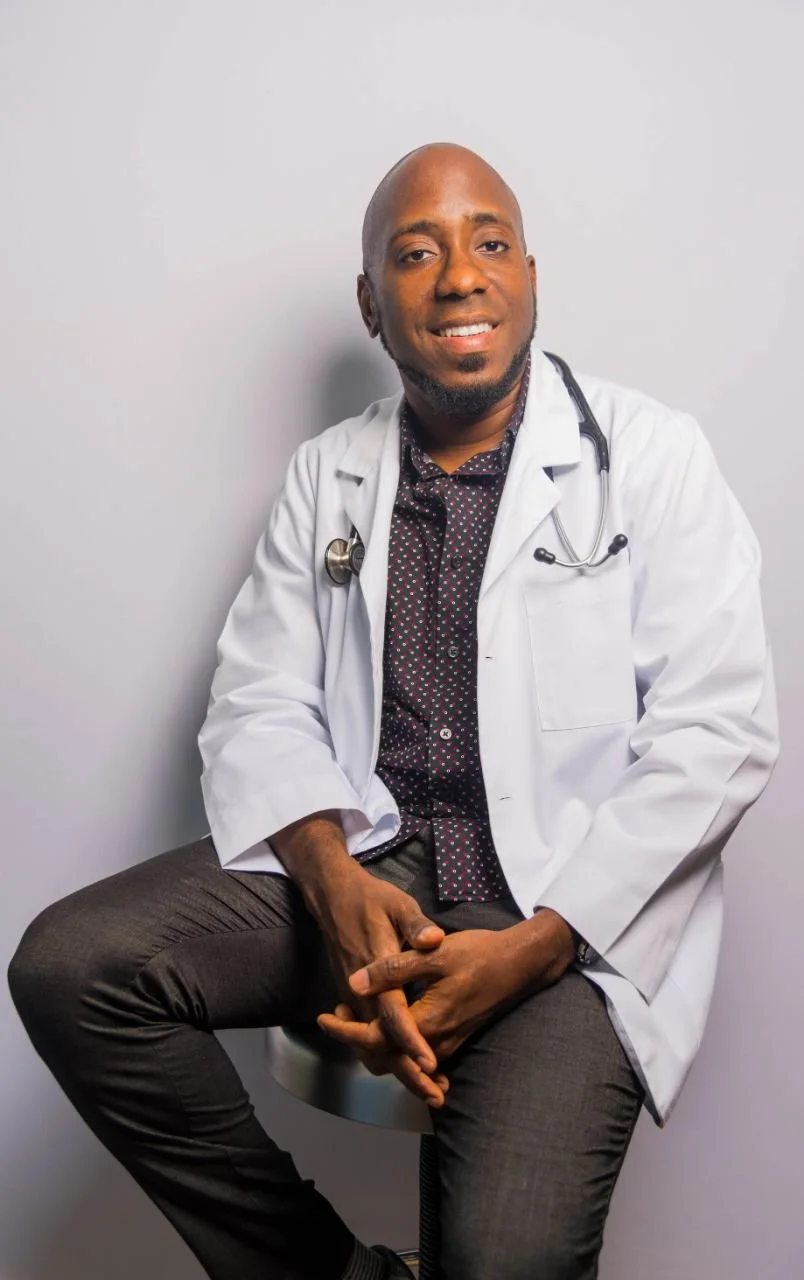
When you confirm your diagnosis with a professional, learn more about Dr. Andre and how his consultations can help you understand the technical language of your reports.
Step 4: Clarify the Stage of Cancer and What is Still Unclear
Staging should be based on evidence.
Ask:
What stage is it right now?
What tests confirm that?
Is anything still uncertain?
Sometimes in Jamaica, staging can be delayed by:
waiting time for imaging,
delays in reports,
referrals between locations
That doesn’t mean you are stuck. It means you must get organized and ask the right questions.
Make sure you understand your diagnosis clearly and ask for explanations. A cancer consultation in Jamaica can help ensure all your questions are answered, especially regarding the staging of your cancer.
Step 5: Identify Your Immediate Next Step in the Cancer Care Process
Many patients assume the next step is treatment right away.
Often the real next step is one of these:
a referral to the appropriate specialist,
additional imaging,
a confirmatory biopsy,
a surgical evaluation,
reviewing pathology in more detail,
discussing treatment options and timing.
Once you’ve gathered all your documents, schedule a consultation to determine the immediate next step and avoid rushing any decisions.
Step 7: Prepare for appointments with the right questions Before You Choose a Plan
Write these down and bring them with you:
Diagnosis
What exactly is the diagnosis?
How certain are we?
Do we need any additional tests to confirm?
Options
What are my treatment options in Jamaica?
What are the pros/cons of each option?
What is the recommended sequence (what first, what next)?
Timing
How urgent is this?
What happens if we take 2–3 weeks to gather information and decide?
Practical
What side effects should I expect?
What support is available (nutrition, symptom support, emotional support)?
And a powerful one:
“If this was your family member, what would you do first?”
Dr. Andre can guide you through the questions you need to ask. To find out more about his approach, learn more about Dr. Andre and how he can support your journey.

Step 8: Avoid Panic, Pressure and Confusing Cancer Advice
In Jamaica, patients often receive:
dozens of WhatsApp forwards and social media videos,
frightening stories,
miracle cure claims,
pressure to do “something now
Most Jamaicans have relatives in North America and the UK, who are used to first-world treatment programmes, electronic health records. It can feel confusing trying to share information with relatives that are a thousand miles away.
The best rule:
Don’t make decisions out of panic. Make decisions from clarity.
Use the internet to understand terms, not to replace professional guidance.
It’s easy to be swayed by all the advice you’ll hear, but having a clear plan is essential. A cancer consultation in Jamaica helps ensure you're making informed choices.
For Jamaican Families Supporting a Loved One: Key Tips and Roles
If you’re the one supporting your relative, while living overseas—your role matters.
Your best help is:
sourcing and organizing soft copies of all necessary documents
helping them ask the right questions,
and protecting them from panic-driven decisions
It’s important to know what steps to take. A cancer consultation in Jamaica can help guide you through the process.
Frequently Asked Questions About Cancer Consultations in Jamaica
1: Do I need a second opinion after a cancer diagnosis?
A second opinion can be very helpful if you feel unsure, rushed, or unclear about your diagnosis or treatment options. A cancer consultation in Jamaica can give you clarity and confidence in your next steps.
2: What documents should I bring to a cancer consultation?
It’s important to bring all relevant medical documents, including pathology reports, imaging, lab results, medications, and any referral letters. Organizing these in advance helps your consultation be as productive as possible. You can schedule a consultation to review your documents with Dr. Andre.
3: Can cancer consultations be done virtually in Jamaica?
Yes, structured consultations can be conducted virtually via Zoom, which is especially useful for patients in remote areas or with family members abroad. Learn how to prepare for a virtual session and get personalized guidance by learning more about Dr. Andre.
Next step
Right now, your job is NOT to become an expert overnight.
Your job is to:
gather the reports,
ask the right questions,
make a clear next-step decision.
If you’d like a structured consultation to support that process, visit:
https://teshuvawellnessja.com/cancer-consultation-jamaica