
Cancer Recovery & Side Effect Support · Jamaica
Treatment is ending, or over.
Your recovery deserves the same attention.
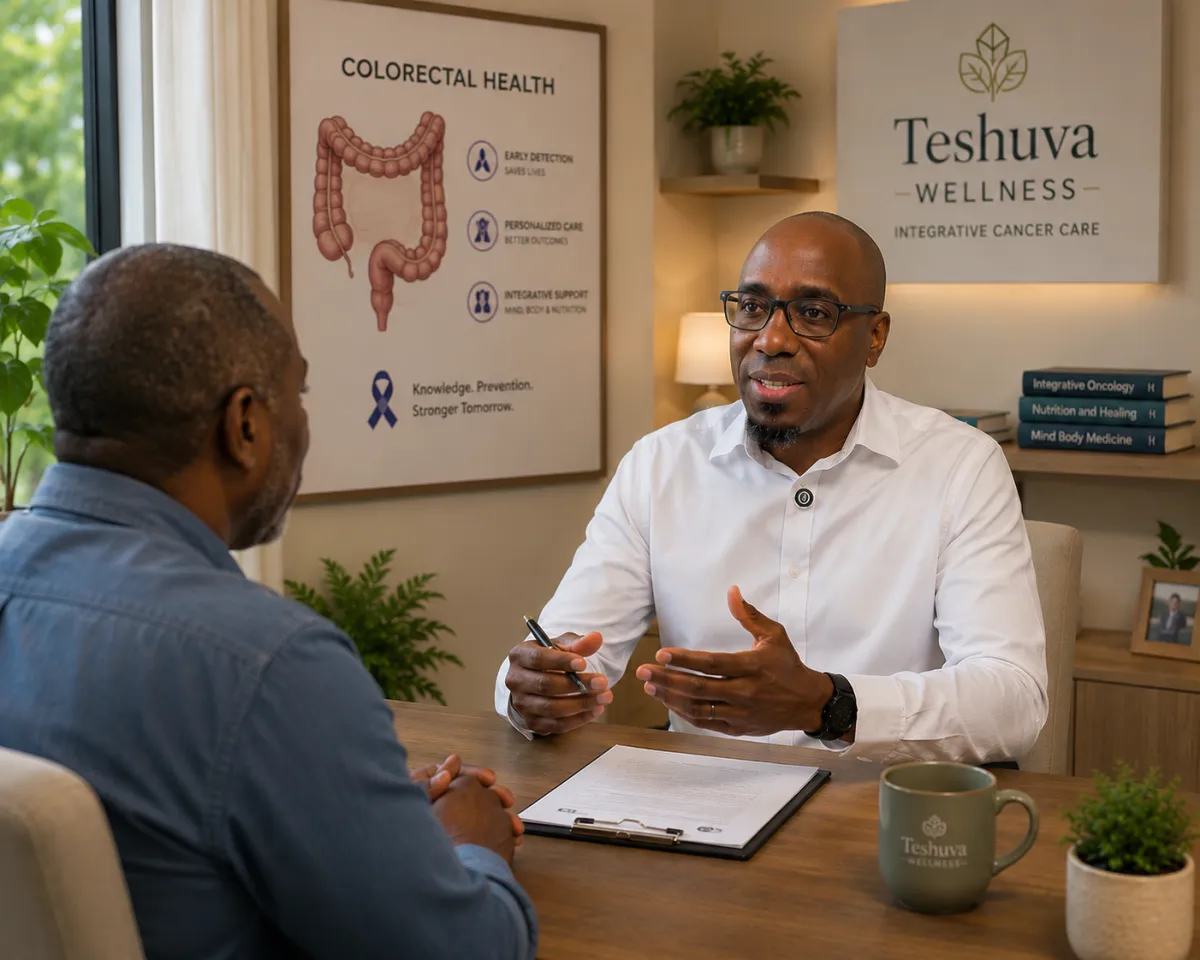
A physician-led consultation focused on what comes after active treatment: managing lingering side effects, rebuilding physical resilience, and understanding what follow-up care should actually look like.

Important: This is a supportive consultation, not a substitute for your oncologist's follow-up. We help you manage recovery and communicate more effectively with your treating team.
What recovery actually involves
Side effects don't end when treatment does, and recovery is not the same for everyone
The period after chemotherapy, radiation, or surgery can involve fatigue, pain, cognitive changes, hormonal shifts, and nutritional gaps. These are real clinical issues. They deserve a proper conversation.
Cancer-related fatigue
Persistent exhaustion that doesn't resolve with rest, one of the most common and underaddressed post-treatment complaints
Neuropathy and pain
Nerve damage from chemotherapy agents like oxaliplatin or taxanes can persist long after treatment ends
Cognitive effects
"Chemo brain" difficulties with memory, concentration, and processing, is recognised and manageable
Nutrition and weight
Treatment often causes significant changes to appetite, digestion, and body composition that require structured support
Is this for you?
You may benefit from this consultation if…
You have finished treatment but are still experiencing side effects months later
You're unsure what your follow-up schedule should look like and what it's meant to catch
You want to understand integrative approaches to rebuilding energy, immunity, and resilience
You're anxious about recurrence and want to know what warning signs to watch for
You're currently in treatment and want support managing the side effects as they happen
Your family wants to understand how to support you during recovery
What we address
What the recovery consultation covers
This isn't a generic wellness session. It's a clinically grounded conversation about your specific treatment history, your current symptoms, and what evidence-based steps can meaningfully improve your recovery.
A review of your treatment history and what side effects are expected given what you received
Practical guidance on managing fatigue, neuropathy, and other persistent physical symptoms
Nutritional and lifestyle recommendations grounded in oncology recovery evidence
Understanding your follow-up plan, what each test or scan is monitoring and why
Recurrence awareness, what symptoms to report immediately and what to monitor over time
Integrative support options, supplements, movement, sleep, evaluated against your specific history

Preparation
What to bring to your recovery consultation
Your treatment summary (type of cancer, stage, treatments received)
Dates of last chemotherapy, radiation, or surgery
Current medications and supplements
Any recent blood test or scan results
A list of symptoms you're currently experiencing
Your scheduled follow-up plan if you have one
If you don't have all of these yet, that's fine, we'll identify what's missing and what to request.
Common questions... answered
Frequently asked questions

Is cancer-related fatigue a real medical condition or just tiredness?
Cancer-related fatigue (CRF) is a recognised clinical syndrome distinct from ordinary tiredness. It does not resolve with rest alone and can persist for months or years after treatment. It is thought to involve inflammatory pathways, hormonal disruption, anaemia, and psychological factors. It can be assessed and managed, it is not something patients simply have to accept.
Can I take supplements during or after cancer treatment?
Some supplements are appropriate and potentially beneficial; others can interfere with treatment effectiveness or interact with medications. The evidence varies considerably by supplement and cancer type. We review your specific treatment history and current supplement use to give you a grounded, individualised answer, not a generic yes or no.
What does cancer follow-up care in Jamaica look like, and how do I know if mine is adequate?
Follow-up care after cancer treatment should include scheduled clinical review, relevant blood markers or tumour markers depending on cancer type, and periodic imaging where indicated. The frequency and content of follow-up varies by cancer type, stage, and treatment received. In this consultation we review your current plan and compare it against standard-of-care guidelines so you know whether you are being appropriately monitored.
How long after finishing treatment should I wait before booking a recovery consultation?
You do not need to wait. Patients currently in active treatment benefit from side effect management support, and patients who finished treatment months or even years ago can still benefit from addressing persistent issues. There is no wrong time to seek clarity on your recovery.
Preparation
Ready for clarity?
Book in Montego Bay or join by Zoom from anywhere. We'll walk through your reports together, clearly.
Teshuva Wellness
Physician-led integrative oncology and cancer consultation in Montego Bay, Jamaica. In-person and Zoom consultations available worldwide.
DISCLAIMER
The information provided on this website is for educational purposes only and is not intended to diagnose, treat, or replace medical advice.
Always consult your healthcare provider before making decisions about your care.
Teshuva Wellness makes no guarantees of specific outcomes and assumes no liability for actions taken based on this content.
Location
Shop 7A Sagicor Commercial Centre,
Montego Bay, Jamaica
Hours
Monday — Friday
9:00am — 5:00pm
Contact
Telephone/WhatsApp
(876)-787-8197