Prostate Cancer consultation jamaica
PSA. Gleason. Grade Group.
Let's decode what your results actually mean.
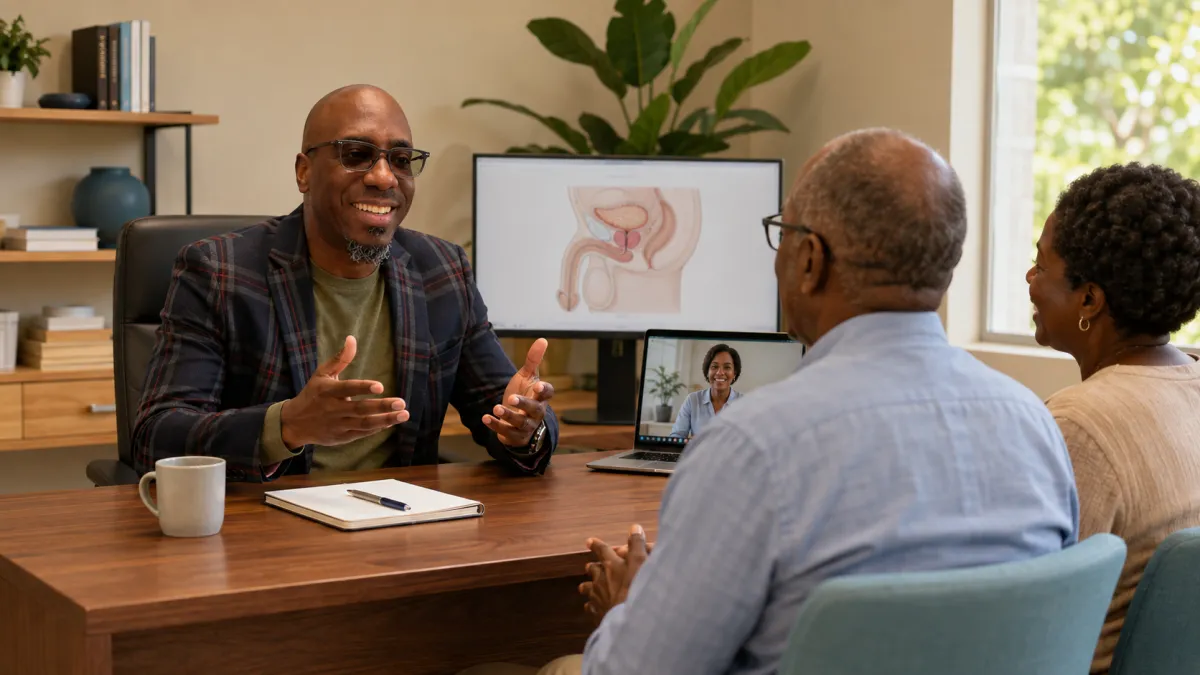
A physician-led consultation that helps you understand your biopsy findings, PSA trends, and imaging, and figure out your real next step without rushing into a decision.

Important: We provide consultations and decision support. We do not administer chemotherapy or radiation. We work alongside your treating team.

UNDERSTANDING YOUR DIAGNOSIS
Prostate cancer ranges widely, knowing your risk category is the first step
From slow-growing disease that can be monitored over years to more aggressive forms that need timely action, the range is significant. Decoding your specific situation is what we do.
PSA history and trend
A single PSA number means less than its trajectory over time
Gleason score / Grade Group
The grade tells us how aggressive the cells look under a microscope
Biopsy core involvement
Number of positive cores and percent involvement shape risk stratification
Imaging extent
Whether disease is local or has extended beyond the prostate changes the landscape
Is this for you?
You may benefit from this consultation if…
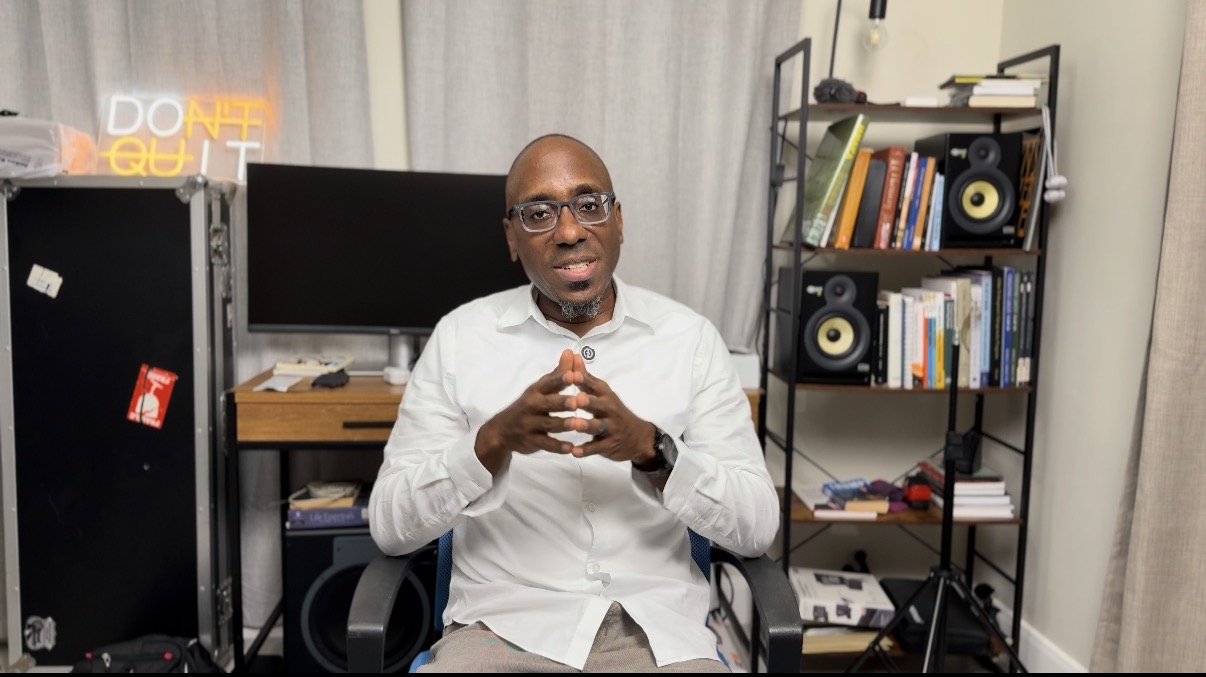
You were recently diagnosed and feel overwhelmed by the terminology
You want PSA, Gleason, and imaging findings explained in plain language
You're weighing the choice between monitoring and intervention
You need to prepare for an upcoming urology or oncology appointment
You have family abroad who want to participate in decisions by Zoom
You want integrative support principles factored into your planning
Key decision points
The real questions patients face, and where we help
Is monitoring (active surveillance) a reasonable option in my case, or does my risk category require intervention?
What further tests would give me a clearer picture of my actual risk level?
How do I meaningfully compare surgery versus radiation when both are being offered?
What does hormone therapy involve, and under what circumstances is it used?
What questions must I ask my urologist before committing to a treatment pathway?
Preparation
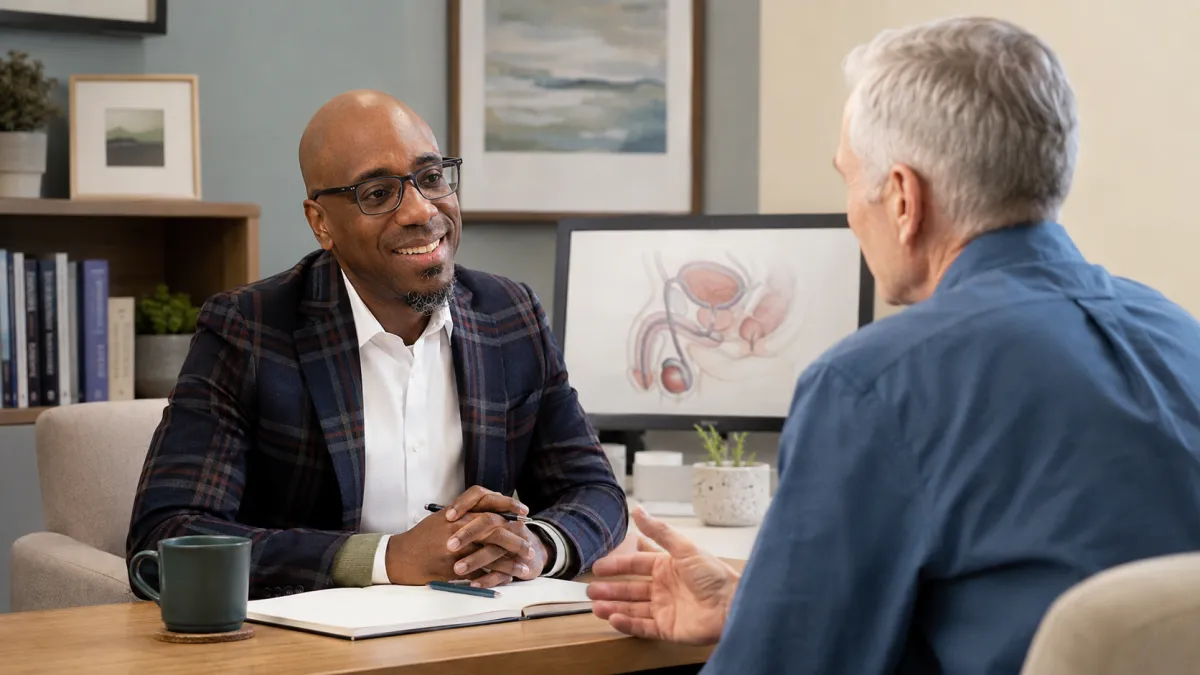
What to bring... and what we look for
Bring to your consultation
Biopsy pathology report and procedure notes if available
PSA results over time (even a handwritten list)
Imaging reports — MRI prostate, CT, bone scan, PET if done
Current medication list including hormone-related medications
If you don't have all of these yet, that's fine, we'll identify what's missing and what to request.
Common questions... answered
Frequently asked questions
From diagnosis to recovery, here is what patients and their families ask us most, honestly answered.
Where can I get a prostate cancer consultation in Jamaica?
Teshuva Wellness offers physician-led prostate cancer consultations in Montego Bay, Jamaica, and via Zoom for patients across the Caribbean and diaspora communities in North America and the UK. No referral is required to book.
What does a Gleason score actually mean for my treatment options?
The Gleason score, now often expressed as a Grade Group (1 to 5), describes how abnormal the cancer cells look compared to normal prostate tissue. A lower Grade Group generally suggests slower-growing disease where monitoring may be appropriate. A higher Grade Group typically indicates more aggressive disease requiring timely treatment. We explain what your specific score means in the context of your full clinical picture.
Is active surveillance (watchful waiting) safe for prostate cancer?
For certain low-risk cases, typically Grade Group 1 with limited biopsy core involvement and a stable PSA, active surveillance is a recognised, evidence-supported approach that avoids over-treatment. Whether it is appropriate for you depends on your specific pathology, PSA trend, and imaging. This is one of the most common decisions we help patients think through.
Can Jamaican diaspora patients join a prostate cancer consultation by Zoom?
Yes. Many of our patients are Jamaicans living in the US, Canada, or the UK who are navigating a diagnosis either for themselves or for a family member back home. Zoom consultations allow full participation and document review remotely. WhatsApp us to arrange a session.
Preparation
Ready for clarity?
Book in Montego Bay or join by Zoom from anywhere. We'll walk through your reports together, clearly.
Teshuva Wellness
Physician-led integrative oncology and cancer consultation in Montego Bay, Jamaica. In-person and Zoom consultations available worldwide.
DISCLAIMER
The information provided on this website is for educational purposes only and is not intended to diagnose, treat, or replace medical advice.
Always consult your healthcare provider before making decisions about your care.
Teshuva Wellness makes no guarantees of specific outcomes and assumes no liability for actions taken based on this content.
Location
Shop 7A Sagicor Commercial Centre,
Montego Bay, Jamaica
Hours
Monday — Friday
9:00am — 5:00pm
Contact
Telephone/WhatsApp
(876)-787-8197